Summary
A memory care vs. home care cost comparison reveals that while home care may seem affordable initially, memory care communities often become the more cost-effective option as dementia progresses and care needs increase.
- Memory care communities average around $7,645 monthly and include housing, meals, 24-hour supervision, trained team members, and specialized programming in one predictable fee
- Home care for moderate dementia typically costs $12,600–$16,800 monthly for nonmedical caregivers (12–16 hours daily), with round-the-clock coverage reaching $25,200 or more
- Hidden home care expenses—including backup caregivers, overtime fees, health supplies, home modifications, and lost family income—often exceed initial budget estimates
- Memory care communities provide dementia-specific design, safety features, cognitive engagement programs, and trained staff that are difficult and expensive to replicate at home
- When care needs exceed 12 hours daily or involve multiple residents, memory care typically becomes more affordable than private home care
When someone you love is living with dementia, the money questions tend to arrive right alongside the emotional ones. A memory care vs. home care cost comparison takes more than lining up two monthly bills, because each one covers very different things. Here is what families in Wilson, NC, and beyond can expect to see on both sides.
Understanding Memory Care Monthly Costs
To weigh memory care cost versus home care fairly, start with what the monthly fee includes. Memory care communities across the United States average around $7,645 per month, depending on location and amenities, and that fee typically covers:
- Housing, meals, and utilities
- 24-hour supervision and specialized programming
- Trained team members who understand dementia-related changes
- Housekeeping and maintenance
- Programs that support cognitive engagement
- Medication management support
Because the fee is bundled, the monthly expense is predictable. There are no surprise bills showing up later.
Apartment sizes and support levels vary, so when comparing memory care and home care costs, look closely at what each payment actually provides.
Breaking Down Home Care Expenses for Dementia
Home care costs vary with the kind of help a person needs. Nationally, a nonmedical caregiver averages about $35 an hour, and a private duty nurse averages about $90. A person living with moderate dementia often needs 12 to 16 hours of supervision a day, which puts monthly costs for a nonmedical caregiver between $12,600 and $16,800. Round-the-clock coverage runs about $25,200 a month, and nursing-level coverage for those same hours can climb past $60,000.
And that’s wages alone. Families also pay for backup caregivers when someone is sick, overtime and agency fees, and, when hiring privately, payroll taxes and workers’ compensation insurance. Home modifications add thousands more up front. Grab bars, shower benches, door alarms, and stove controls all help keep a person living with dementia safe, but they aren’t free.
Hidden Costs That Impact Your Budget
Beyond wages, home care brings expenses that often catch families off guard:
- Higher utility bills and specialized meals
- Health supplies and incontinence products
- Transportation to appointments
- Adult day programs that offer respite
Family members often cut back their hours or leave jobs altogether. That lost income, along with retirement contributions and career growth, rarely makes it into the first budget. Emergencies add up too: urgent care visits, a hospital stay after a fall, or crisis respite can strain even a careful plan. Many memory care communities build emergency response and fall prevention into daily routines, which can help limit some of those unexpected expenses.
What Services Each Option Actually Provides
Dementia care at home vs. memory care also comes down to environment. Memory care communities are built around cognitive support, with purpose-designed spaces that reduce confusion, secured areas that help prevent wandering, and programs that build on remaining abilities. Team members are trained in communication and in responding to behavioral changes. GLOW® Memory Care at our community centers on each resident’s life story, with calm routines and dining that feels familiar rather than rushed.
Connection matters, too. Group programs, music, reminiscence activities, and shared meals help counter the isolation that often comes with dementia.
Home offers familiar surroundings and one-on-one attention, which can suit some people well, especially in the early stages. As dementia progresses, though, a home often lacks the design features that support safety and engagement.
Is Memory Care Cheaper Than Home Care?
The answer shifts as needs grow. When a person needs more than 12 hours of paid supervision a day, a memory care community is often the more affordable route.
Communities spread costs across many residents. One team serves multiple residents, specialized equipment benefits everyone, and overnight staffing isn’t multiplied for each person. Recreating that level of support at home costs far more.
Couples are a good example. Supporting two people at home doubles caregiver hours and expenses, while a community can often serve both partners under one fee structure. Families weighing how to cover these costs can start with 7 practical ways to pay for senior living.
Making the Right Financial Decision for Your Family
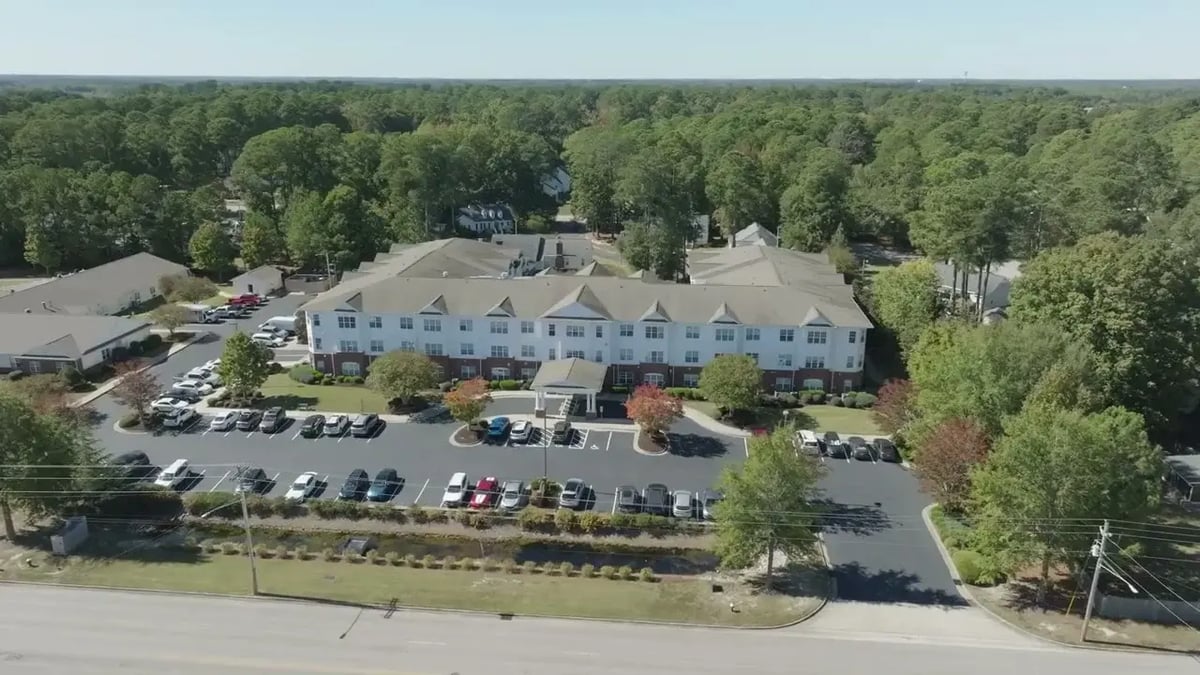
Start by adding up every current expense, from caregiver wages and supplies to home modifications and lost income, then project how needs may grow. The numbers matter, but so does what each option gives your loved one day to day, and a clear memory care financial comparison makes both easier to see. If you’d like to talk through your own numbers with our team, schedule a tour today and see GLOW® Memory Care at Parkwood Village and The Landing in Wilson, NC.