.jpg?width=960&length=960&name=resilient%20mindset%20(2).jpg)
A resilient mindset is a frame of mind that adapts to overwhelming circumstances, and it's especially important during the frequent changes aging creates. The right mindset is a helmet protecting you from the mental effects of life's ups and downs. It can be the difference between viewing changes as a catastrophe or an opportunity for growth.
Senior living in Wilson, NC, offers a friendly atmosphere to nurture a healthy, resilient lifestyle. You can enjoy parks, such as the Wilson Botanical Gardens, and cultural activities, such as music festivals and art shows.
What Is a Resilient Mindset?
A resilient mindset is a way of thinking that helps you bounce back from stressors. You don't view them as world-ending but as obstacles you can overcome.
Resilience can grow with age. Many seniors get better at managing their emotions over time.
It can also be learned. You can train it like physical resilience.
How Is the Concept of Resilience Related to Aging?
Coping with change for seniors can be difficult because it happens so rapidly. They can lose friends or family in quick succession. They can also mourn the loss of the ability to do what they used to.
However, there's a clear link between a healthy mindset and healthy aging. It creates:
- Better emotional well-being
- Lower stress
- Lower risk of chronic conditions
Pillars and Habits of Resilience in Aging
A resilient mindset helps you overcome the challenges of aging. It changes how you see them and determines how prepared you are mentally and physically.
Aging With Optimism
Aging with optimism means maintaining positive yet realistic thinking. Learn to notice when you're in a negative thought spiral. Replace catastrophizing with more balanced thoughts.
Emotional Regulation and Acceptance
Knowing what you're feeling and accepting it as neither good nor bad helps you overcome it. This ability is often already stronger in older adults.
Other tips for maintaining emotional strength in aging include:
- Mindfulness
- Breathing exercises
- Naming emotions instead of suppressing them
Maintaining Social Connections
According to Michigan Medicine, approximately 1 in 3 seniors report feelings of loneliness or isolation.
Having strong social ties is essential for maintaining resilience. A resilient mindset encourages seniors to reach out instead of withdrawing. That can mean seeing family or engaging in community activities and events.
Community Contributions
Seniors should not frame aging as a season where they can't do anything. Instead, it's their time to share wisdom and build a legacy. It builds resilience and hope. It also helps them feel useful and maintain an identity.
They can contribute by:
- Volunteering
- Mentoring
- Engaging in creative pursuits
Assisted living in Winston, NC, can offer group outings where residents go out together. This helps residents settle into a new role in their new community without feeling unimportant.
Self-Care
According to the CDC, almost 87% of adults 65 and older don't get enough exercise. Keeping your body moving has a positive effect on your mind.
Senior living makes this easier. Independent living in Wilson, NC, is designed to encourage activity. It's also baked into assisted living and memory care communities, just with more support.
It's also important to get plenty of high-quality rest. Proper sleep habits are positively associated with psychological resilience, and vice versa.
These habits help keep your mood up. They also give you the energy to think clearly enough to engage in resilient thinking.
Mental Wellness Habits
Other mental wellness habits can also help cultivate a resilient mindset.
Cultivate gratitude. Write a few things you're thankful for on a regular basis.
Seniors with memory issues, such as residents of memory care in Wilson, NC, can participate as well. They can speak them, record them, or share them with a caregiver.
Remember to use yet and still language when speaking to yourself or others. If being unable to drive makes you feel like you can't do anything, say, "I can't drive to go see them, but I can still enjoy time with my friends and family."
Practice self-compassion. Remember that feelings such as fear and grief are normal during the changes of aging, so be kind to yourself about them.
How Family and Caregivers Can Help
Family members of seniors should try to model an emotional mindset.
One of the worst things to do is to dismiss a loved one's emotional or physical pain. That makes it harder to cope with.
If you can't get conversations about the changes of aging started, use conversation prompts. An example is, "What helped you through hard times before?"
Support your loved one's social connections. Give them rides to group events. Help them with video calls. Ensure they resist the urge to isolate themselves.
Remind them of their role in the family. Make sure that they know that even if it has changed, they're still important and loved.
Frequently Asked Questions
What Are Examples of Resilience in Everyday Life?
Resilience is demonstrated by not letting challenges overwhelm you.
Taking a positive perspective is one way. View challenges as learning opportunities. Focusing on how you can grow from the event is healthier than dwelling on how much it hurt.
Regulating emotions is another important part. This means not getting overwhelmed and having extreme emotional reactions.
What Depletes Resilience?
Resilience is depleted by the opposite of what builds it up.
Some of these problems can't be helped. They may also take a long time to overcome. These deep issues include:
- Chronic stress
- Long-term physical and mental health problems
- Trauma
Others are the result of habits. If certain negative patterns build up enough over time, they can deplete resistanceand make it more difficult to overcome distressing events. These include:
- Ignoring basic needs
- Fear and self-doubt
- Trauma
- Negative self-talk
- Avoiding problems
- Social isolation
Visit Parkwood Village and the Landing for Resilient Living Today
A resilient mindset helps seniors overcome daily life's challenges through positive thinking, daily self-care, and strong social ties.
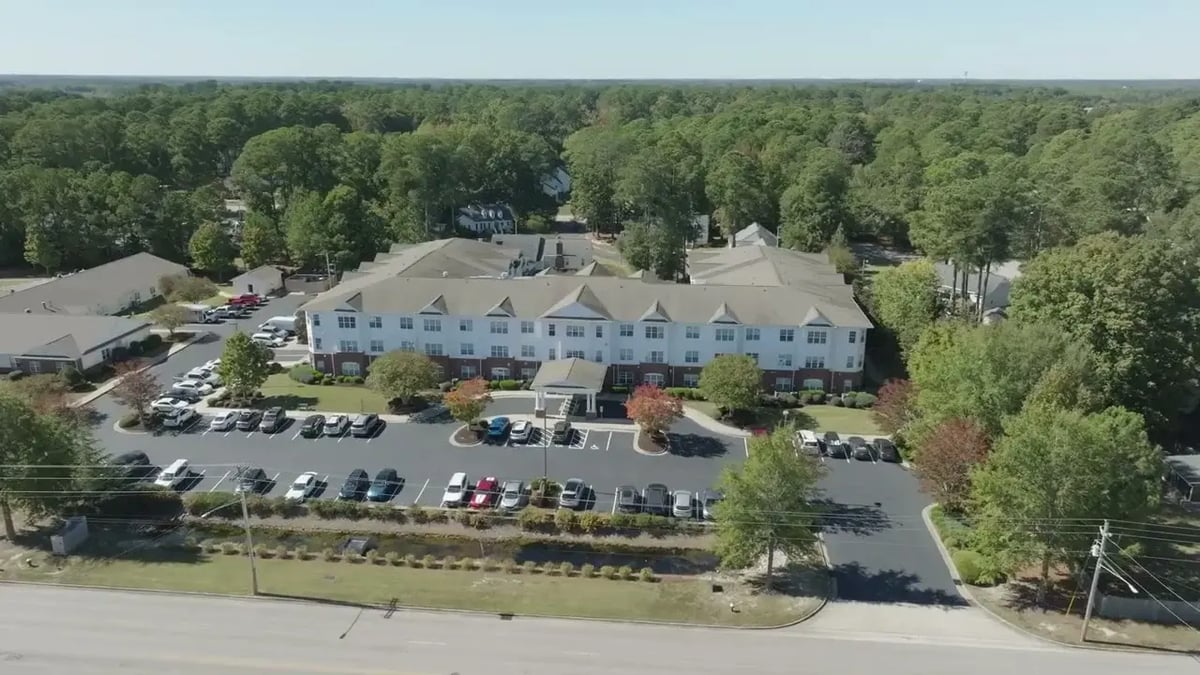
Parkwood Village and the Landing offer established senior living. We offer independent living, memory care, and assisted living communities in Wilson, NC.
We elevate daily living with chef-prepared meals and a calendar full of daily activities. Our community has a range of amenities, such as our:
- Library
- Fitness center
- Entertainment areas
- Salon
- Private dining room
- Landscaped grounds
Schedule a tour of our community today.